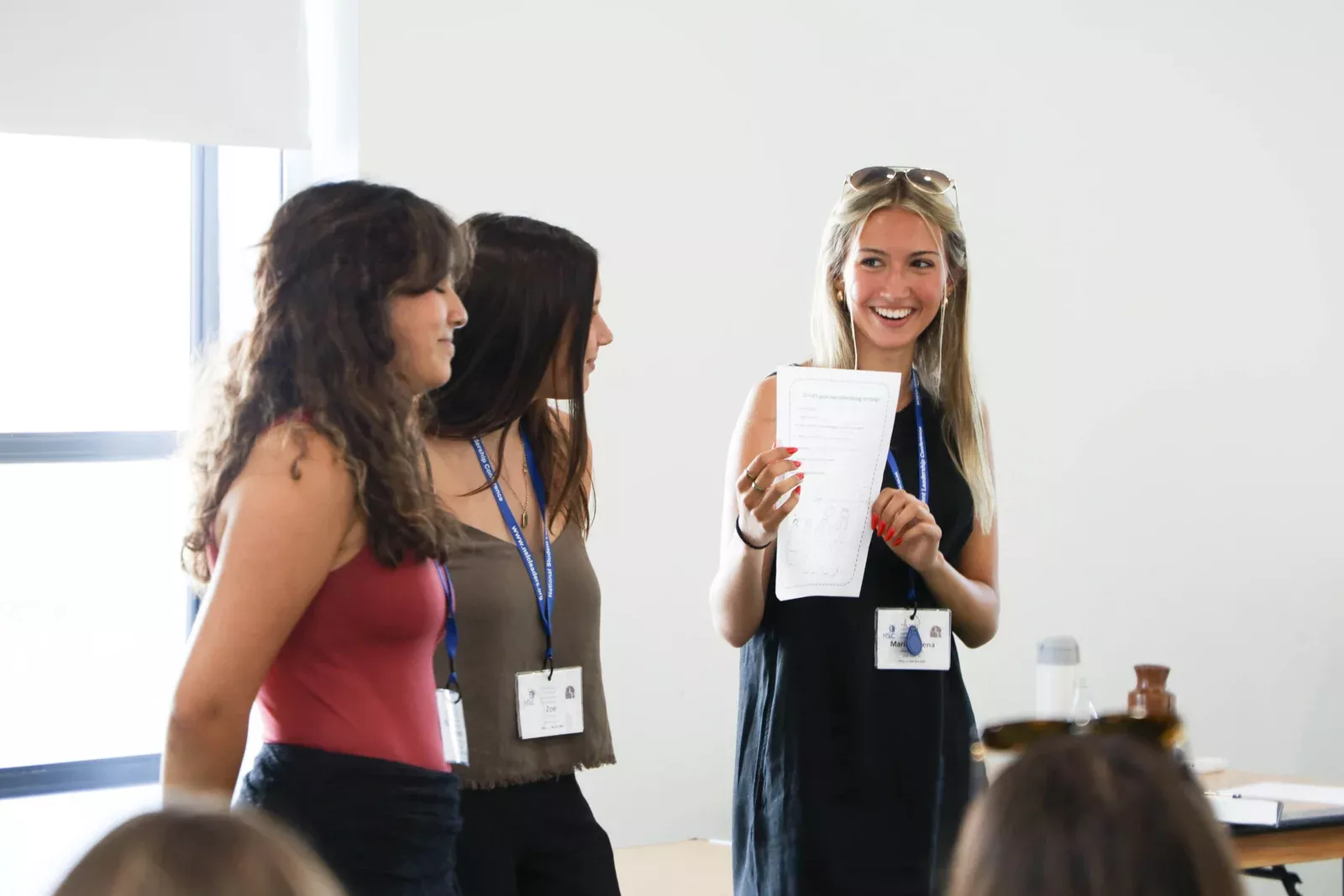
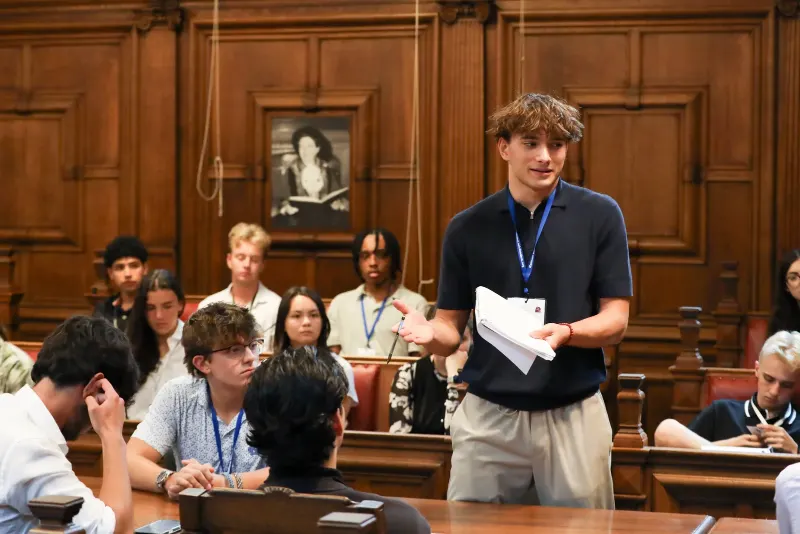


Picture a 16-year-old standing at a lectern inside the Oxford Union, making an argument she half-believes, in front of a room full of strangers looking for the weak point in it.
She got there by enrolling in a summer leadership program. She’ll leave having learned something no classroom has yet managed to teach her: what it actually feels like to hold her ground.
That gap, between knowing what leadership looks like and knowing what it demands, is the one most leadership programs for high school students never close. The best ones do. Here is what separates them.
What Makes Leadership Programs for High School Students Worth Attending
Walk through the brochure of almost any leadership course and you’ll find the same leadership skills listed: resilience, communication, vision. These are real ideas.
The trouble is that reading about resilience is not the same as needing it, and most programmes never arrange the conditions where the difference becomes obvious.
What separates the leadership programs that change students from the ones that merely impress their parents is whether the student is ever genuinely uncomfortable. Not overwhelmed, but challenged in a structured and supported environment.
The best programmes give students opportunities to:
-
Lead unfamiliar groups:
work with peers they don’t know yet. -
Defend their ideas:
explain and support a position under questioning. -
Try something new:
perform at something without a rehearsal. -
Learn from practitioners::
hear honest accounts from people who have faced real challenges in their fields.

How Leadership Activities for Students Shape Real Outcomes
What do leadership activities for students at secondary school actually build? Ask university admissions tutors and you’ll hear the same answer in different words.
They’re not looking for another list of achievements. They want a student who can think under pressure, hold a position that isn’t comfortable, and contribute something to a room rather than waiting for permission to speak.
For students still deciding what they want to study, a serious college prep programme that combines academic work with genuine career exposure also offers something practical: an early answer to a question that otherwise takes years.
Two weeks exploring different professional environments can help students:
See what working in a hospital, courtroom or investment bank involves.
Discover which subjects and career paths interest them.
Make university and subject choices with a clearer idea of what to expect.
It doesn’t tell them what to do with their lives. It makes the decision considerably less abstract.
What This Looks Like at OSP Scholars
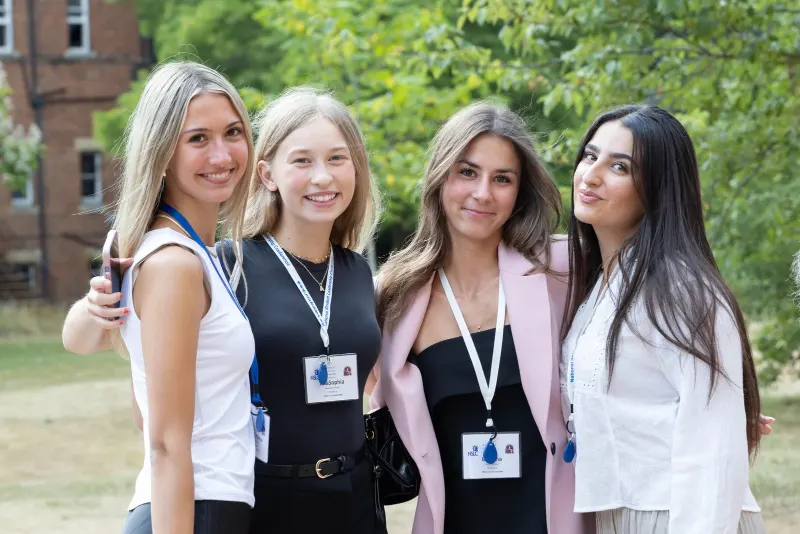
The OSP Scholars takes a limited number of students each August, aged 14 to 18, from around forty countries. The two-week programme is built around the idea that leadership is a practice and not a credential.
Masterclasses with Experienced Speakers
-
Brandon Love
a TEDx speaker, works with scholars on how to make an argument land with an audience that isn’t already on their side. -
Oliver Cook
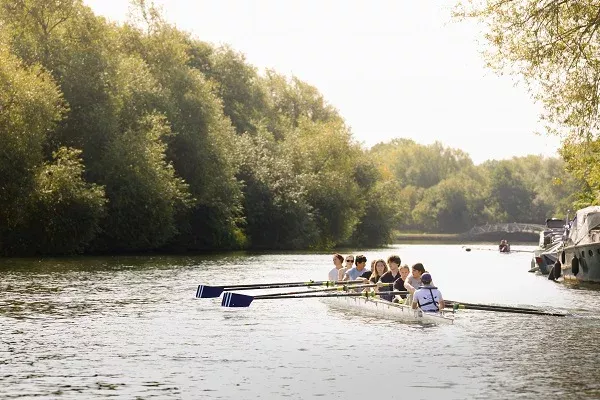
an Olympic rowing world champion, teaches through the lens of what elite performance actually costs and then takes scholars out on the Thames to experience it firsthand. -
Talha Pirzada
a leadership coach, focuses on how students carry themselves in rooms that feel too big for them.
Debates and Real-World Experiences
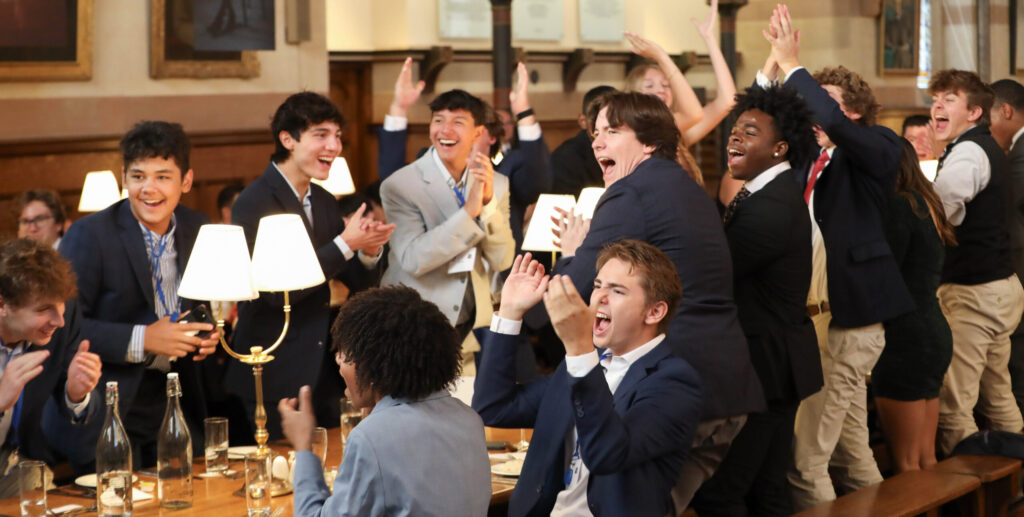
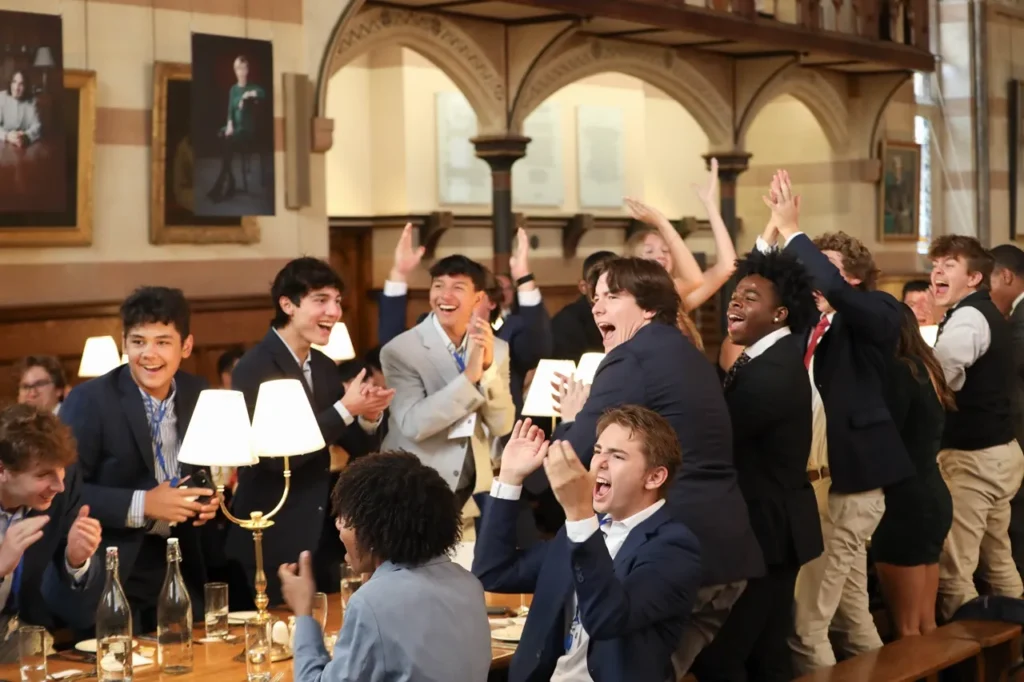
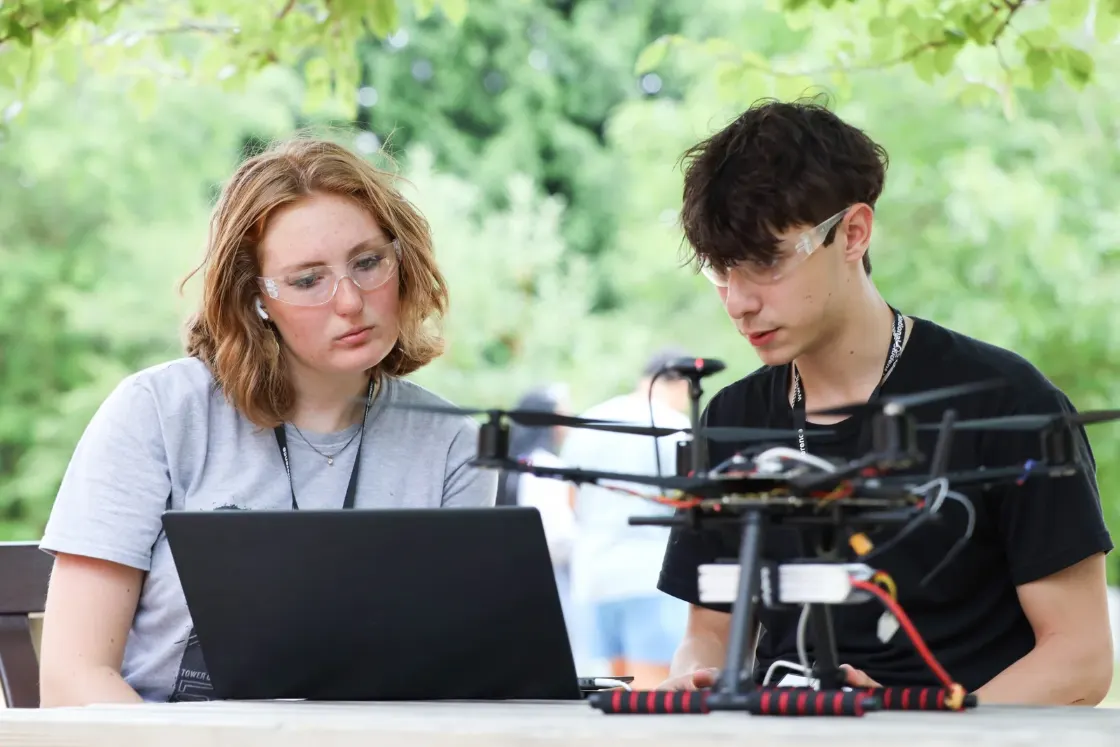
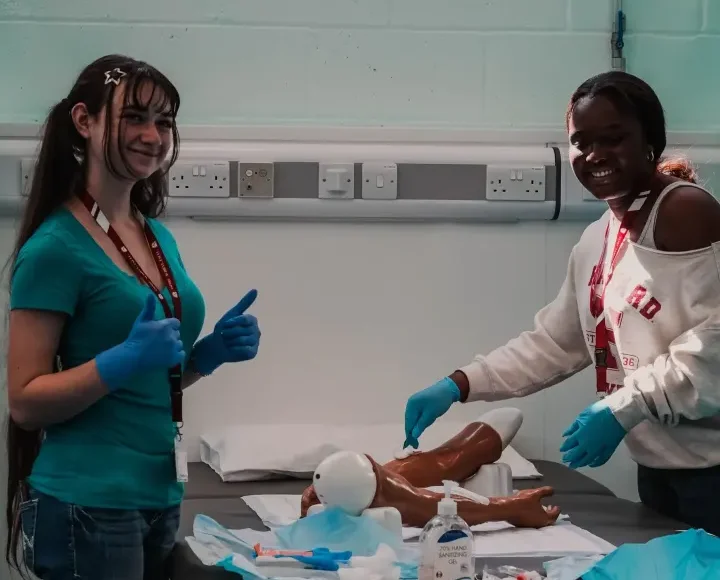
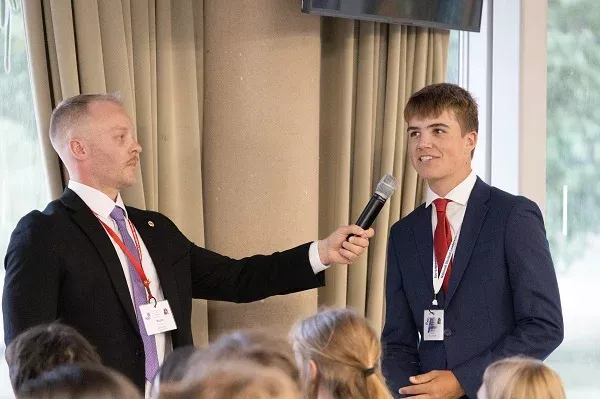
Scholars debate at the Oxford Union, visit Barclays Investment Bank and the Royal Courts of Justice, and attend clinical simulation workshops or engineering labs depending on their track.

A Different Kind of Prepared
The best leadership programs for high school students don’t promise confidence; they give you a safe place to test it.
The students who get the most from a leadership programme are rarely the ones who arrive the most confident. They are the ones willing to be wrong in front of people and keep going anyway.
That willingness, more than any grade or qualification, can shape how a student carries themselves into university, interviews and the rooms that matter later on.
Leadership is not something you learn once and carry forward unchanged. It gets tested, revised and rebuilt every time the stakes go up. What a good programme can do is give a student the first honest test of it, early enough to still act on what they find out.
For more ideas, read our guide to leadership camps for high school students.
For students ready to find out what they are capable of, OSP Scholars Programme runs 1–14 August 2027. Applications are open, so apply for 2027.
Programme Details
Age group: 14–18
Dates: 1–14 August 2027
Scholar-to-staff ratio: 10:1
Accreditations: British Council and British Accreditation Council accreditation
Optional qualification: 8 UCAS Tariff points on completion, subject to the applicable requirements