




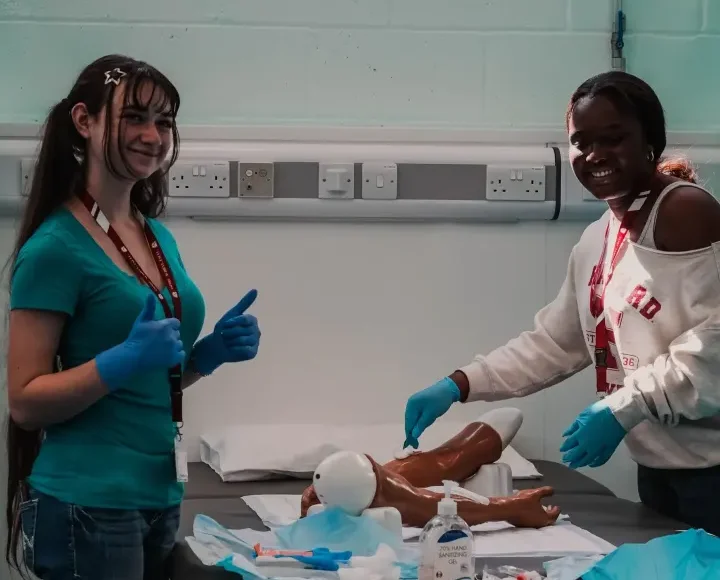





Exploring engineering before university can help you understand the different career paths available, discover which areas interest you most, and decide whether the subject is the right fit for you.
From hands-on projects to visits to real engineering workplaces, there are plenty of ways to find out what the field involves beyond the classroom.
What Is Engineering?
Engineering is the application of science, maths, and creative problem-solving to design and build everything from autonomous vehicles to sustainable cities, but most high school students have very little idea what it actually involves.
School teaches you the theory, but it rarely shows you what engineering looks like in practice. The gap between enjoying problem-solving and committing to a four-year degree is bigger than most people realise.
Engineering Is Bigger Than You Think
When most people hear “engineering”, they picture bridges or buildings. But careers in engineering have evolved far beyond that. Today’s engineers are designing autonomous vehicles, building AI systems, programming factory robots, and developing sustainable technologies to tackle climate change.
Mechanical, aerospace, civil, software, biomedical, robotics: these are just a few of the many types of engineering careers, and each one looks completely different in practice.
The challenge is that you’ll rarely encounter any of this in a school curriculum. So if you’re going to make an informed decision about your degree, you need to go looking for it yourself.
At OSP Scholars, our Engineering & Robotics Career Exploration gives high school students aged 14–18 access to institutions like the BMW MINI Plant, The Royal Society, and hands-on workshops with industry leaders, designed to help you explore engineering before university.
What Do Engineers Do Day to Day?
It depends on the field, but most engineers spend their time designing, testing and fixing things, and talking to other people about them. For example:
-
Mechanical engineers
design and test machines, from car engines to medical devices. -
Software engineers
write and improve the code behind apps, AI systems and robots. -
Biomedical engineers
build tools like prosthetics and diagnostic equipment. -
Civil engineers
plan and oversee bridges, roads and buildings.
How to Start Exploring Engineering Before You Apply
-
Visit real engineering workplaces:
factories, robotics labs, aerospace facilities and design studios. Career exploration programmes that include industry visits are worth their weight in gold. -
Seek out hands-on workshops:
building, testing and problem-solving will tell you more than any textbook. An engineering summer school with practical project work is ideal. -
Talk to working engineers:
ask about their day-to-day work, not just their qualifications. It’s the fastest way to figure out whether engineering is right for you. -
Explore the subfields early:
don’t default to “mechanical” because it sounds familiar. Look into robotics, AI, sustainable design, and emerging fields like autonomous systems and biomedical engineering.