




For decades, summer break was simple: a pause. A time to rest, travel, pick up a hobby and return to school refreshed.
Today, for many high school students, summer has quietly turned into something entirely different: a high-stakes opportunity to build a future. Even summer activities for high school students now come with a quiet question attached: will this look good?
Not relax. Not reset. But perform.
The Rise of the “Perfect Summer”
In today’s competitive university admissions landscape, strong grades and test scores are only part of a student’s wider academic story.
What used to be optional internships, volunteering and summer programmes can now feel like expected milestones. Students are often encouraged to build what might be called a “summer story”: a series of experiences that connect their interests, academic choices and future ambitions.
Pressure to Specialise Earlier Than Ever
One of the most striking shifts is how early this pressure can begin. Some students start thinking about specialisation as early as their first year of high school.
Instead of exploring broadly, they may feel pushed to pick a lane, whether it’s medicine, law, engineering or entrepreneurship, and spend their summers reinforcing that identity through carefully chosen activities.
Exploration matters because interests develop over time. Trying something unfamiliar can be just as useful as deepening an existing interest, particularly when students are still discovering what motivates them.
When Summers Become Strategic
The modern summer is no longer planned around curiosity; it’s planned around outcomes. Deciding what to do over the summer now feels more like a strategy meeting than a break.
Students, and often their parents, may find themselves asking:
Which activity will look best on university applications?
Does this experience fit the academic profile I’m trying to build?
Will it help me stand out from other applicants?
The Hidden Cost: Stress and Loss of Exploration
This growing pressure doesn’t come without consequences.
When every summer decision feels as though it could affect the future, the freedom to experiment can shrink. Students may hesitate to try something new if it doesn’t fit their existing interests. They may avoid activities they genuinely enjoy because they don’t seem impressive enough.
Over time, this can make learning feel like another competition rather than an opportunity to discover new ideas.
A balanced approach leaves room for rest, too. Time away from academic demands can help students return to their studies with renewed energy, while activities chosen out of genuine curiosity can make learning more enjoyable and rewarding.
A strong summer doesn’t need to be perfectly curated. It needs to give students the opportunity to learn, reflect and grow.
Rethinking What a “Strong” Summer Looks Like
The most valuable summer activities for high school students are not necessarily the busiest or the most prestigious. They are the ones that combine exploration with direction, allowing students to try new things, ask questions and reflect while benefiting from structure, mentorship and a sense of purpose.
In the UK, universities often use the term “super-curricular activities” to describe learning that takes a subject beyond the school curriculum.
A project such as an Extended Project Qualification (EPQ) can provide one way to investigate a topic independently. A few well-chosen activities, pursued out of genuine interest, can be more meaningful than a long list of unrelated achievements.
How OSP Bridges Exploration and Achievement
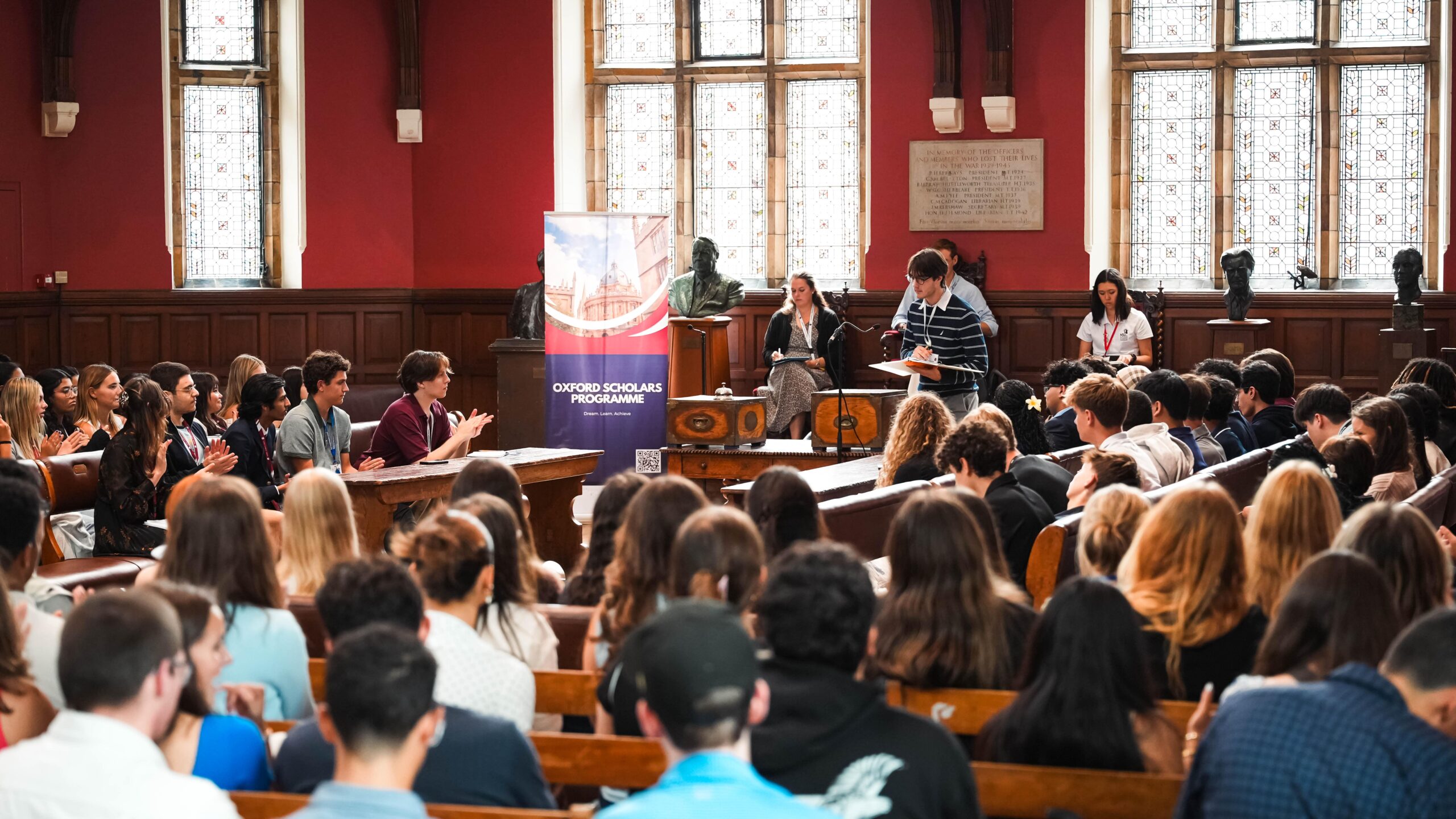
Programmes like OSP Scholars offer students an opportunity to combine academic exploration with personal development, rather than approaching summer solely as a chance to build a university application.
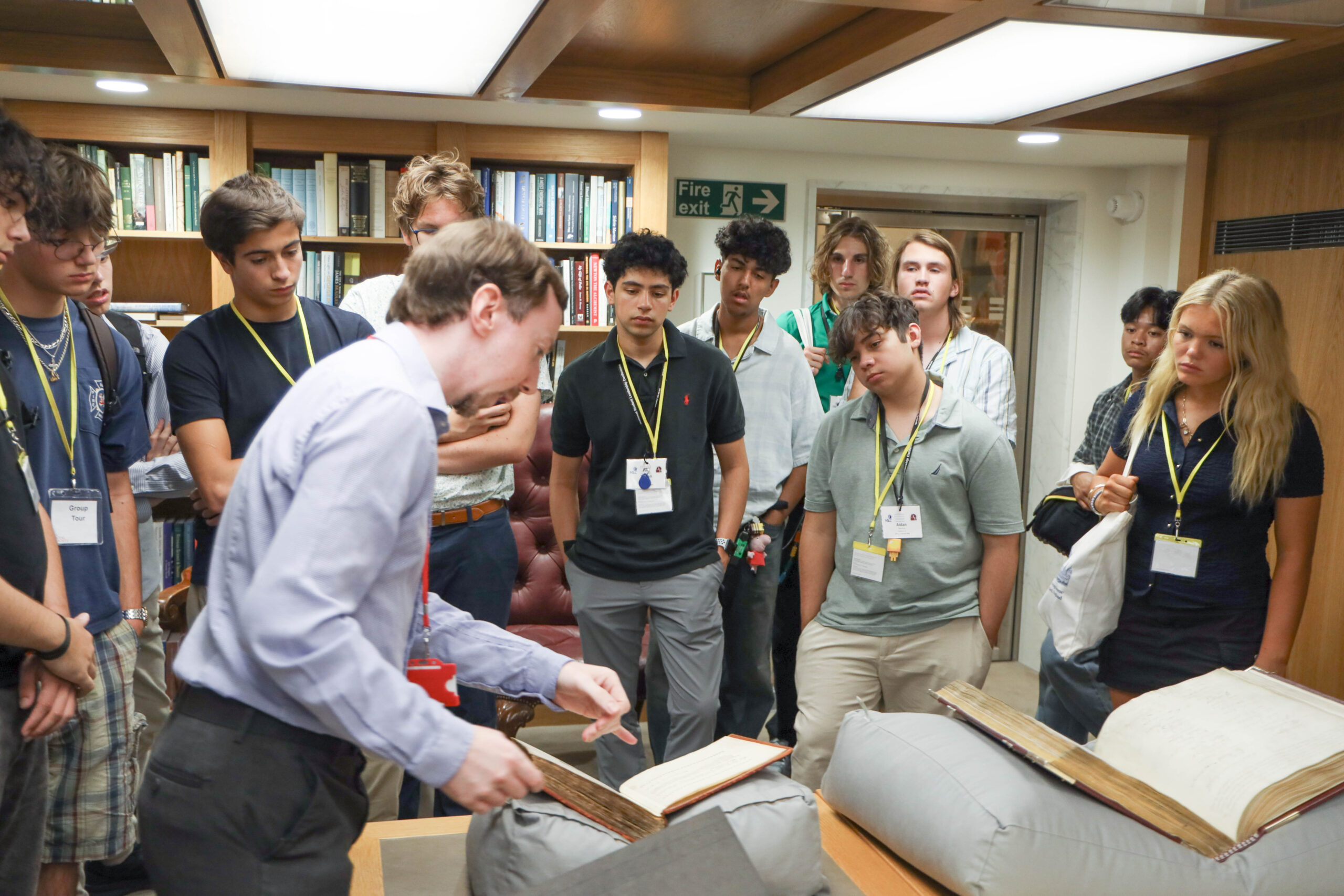
Through academic courses, interactive learning and opportunities to engage with new subjects, students can explore areas that interest them while gaining a better understanding of possible future pathways.
The Career Exploration programme helps students connect their interests with real-world fields and consider how those interests might develop. Alongside subject-specific learning, experiences involving leadership, discussion and collaboration give students opportunities to practise skills and learn from others.
Making Summer Count: Growth and Academic Development Together
A well-chosen summer experience can support personal growth and academic development at the same time. Students may return with a clearer sense of their interests, greater confidence in expressing their ideas and a better understanding of the subjects or careers they want to explore further.
For parents considering summer opportunities, our Parents’ Guide to OSP answers common questions about the programme and what students can expect.
Ultimately, making summer count means choosing experiences that fit the student, not simply the expectations surrounding them.
The right summer activities for high school students leave room to explore, not just to impress.