




A personal statement is more than a list of achievements. It is an opportunity to explain what interests you, how you think and what you have learnt from your experiences.
Every year, thousands of brilliant students with perfect grades apply to Oxford, Cambridge, Harvard, and Stanford. They all have impressive achievements and strong test scores. So, what makes one application stand out over another?
Admissions tutors can already see your grades elsewhere. Your personal statement has one job—to show them who you are beneath the accomplishments. It’s not about doing more; it’s about thinking deeper.
The Problem: Listing Achievements Without Reflection
Why a list of achievements is not enough
We see it every year. Brilliant minds hiding behind templates, reciting achievements like a grocery list. Consider this example:
“I participated in Model United Nations, volunteered at a hospital, achieved a distinction in my piano exam and am passionate about medicine.”
Admissions tutors want your voice in the room, not a CV in prose. They want to see how your experiences shaped the way you think. If it feels like anyone else could have written your first paragraph, it’s time to rethink your approach.
The Transformation Formula: Turn Experience into Insight
The shift from listing to revealing is what separates good statements from exceptional ones. Instead of just cataloguing your résumé, use this formula:
Experience → Observation → Question → Insight
- Experience: What did you do, read, observe or investigate?
- Observation: What caught your attention?
- Question: What did the experience make you curious about?
- Insight: What did you learn, and how did it shape your thinking?
You do not need to follow these stages mechanically in every paragraph. Use them as a way to move beyond describing an activity and towards explaining its significance.
Let’s Look at the Difference
A basic example:
“I completed a biology project and confirmed my interest in medicine.”
A more reflective example:
“While researching how the immune system responds to infection, I became interested in why similar infections can affect people differently. This led me to explore the relationship between immune responses, genetics and environmental factors, giving me a clearer understanding of the complexity of human health.”
The second example shows curiosity and further exploration. Use this approach with your own genuine experiences, and never invent activities, observations or conclusions to make your application sound more impressive.
Craft an Opening That Reflects Your Thinking
Your opening sentence should make the tutor want to read the next one. This comes through intellectual authenticity, not gimmicks.
What Works:
- The Specific Moment: “I fell in love with physics the day I learned that time moves differently in space.”
- The Driving Question: “Why do we remember some historical events vividly while others disappear into footnotes?”
- The Honest Admission: “I used to think mathematics was about finding the right answer. I was completely wrong.”
What to Avoid:
- Famous Quotes: “As Einstein once said…” (Show your thinking, not his!)
- Dictionary Definitions: “Oxford defines medicine as…” (It’s unoriginal and patronizing.)
- Childhood Dreams: “Ever since I was five…” (Unless it is critically relevant to your current journey.)
Build Your Experience Before You Write
A thoughtful personal statement often develops over time. Reading beyond the school syllabus, completing a project, discussing ideas with others or exploring an unfamiliar subject can help you discover what genuinely interests you.
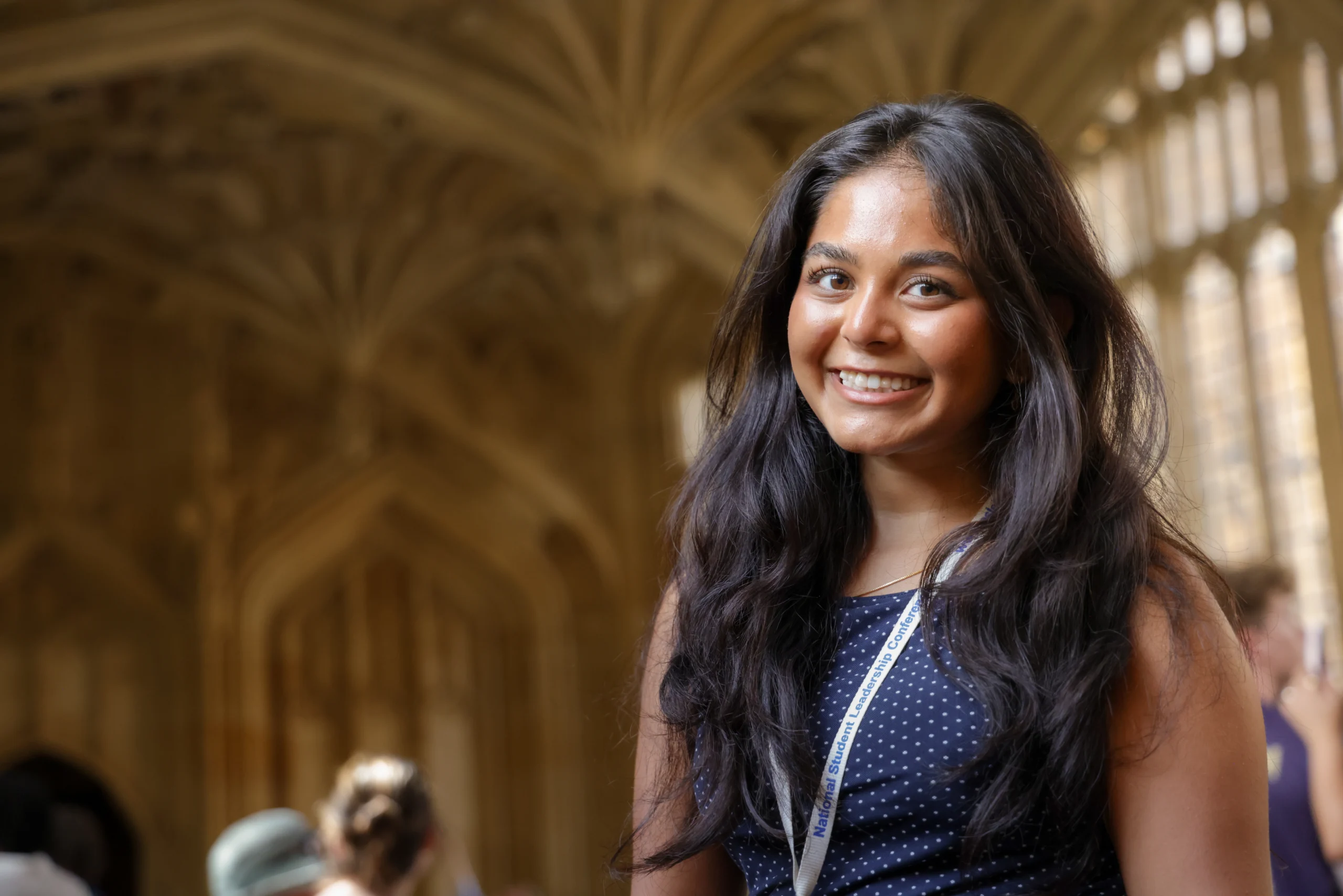
One good idea to build experiences to talk about in your personal statement is to explore summer programs for high school students. These can give you opportunities to engage with subjects beyond the classroom and gain a clearer understanding of your academic interests.
For example, students considering medicine, law, engineering or business can explore relevant subjects through OSP Scholars’ academic programmes and its Career Exploration options.
College summer programs and summer leadership programs, can also offer valuable opportunities to develop skills and explore new interests. Ultimately, what matters is not how many activities you include, but what you learn from them.
Apply Now for OSP 2027 | Explore Our Programmes
Programme Dates: August 1-14, 2027
Location: Oxford, United Kingdom
Diverse Cohort: 40+ nationalities