







Many students say, “I want to be a doctor.” But medicine involves much more than enjoying biology or wanting a respected career. It requires years of study, ongoing learning, clear communication and the ability to make difficult decisions.
The question is not simply, “Do I like science?” It is also, “Am I interested in the responsibilities of this profession, and can I see myself committing to the training it requires?”
Exploring medicine before university can help you understand what the field involves, discover different areas of healthcare and decide whether it matches your interests and strengths.

Medicine Is More Than Academic Ability
-
Critical thinking:
Evaluating information and considering different explanations before reaching a conclusion. -
Clear communication:
Explaining complex information and listening carefully to patients and colleagues. -
Emotional resilience:
Managing challenging situations and responding thoughtfully under pressure. -
Long-term commitment:
Completing demanding training and continuing to develop professional knowledge.
Signs Medicine Might Suit You
Simulation-based learning, in particular, improves communication and decision-making skills by placing students in realistic patient scenarios. Medicine may be a good fit for you if you:
- Are curious about how the human body works and how diseases develop.
- Enjoy solving complex problems and examining evidence.
- Want to understand how scientific knowledge can improve people’s lives.
- Are interested in communicating with people from different backgrounds.
- Can reflect on difficult questions and recognise when you need to learn more.

Why Early Exposure Matters
Reading about medicine can introduce you to the subject, but exploring it through practical activities and conversations can give you a different perspective.
Meaningful ways to explore include:
-
Speaking to medical students or doctors:
Ask about their studies, daily responsibilities and the challenges they have encountered. -
Taking part in clinical simulations:
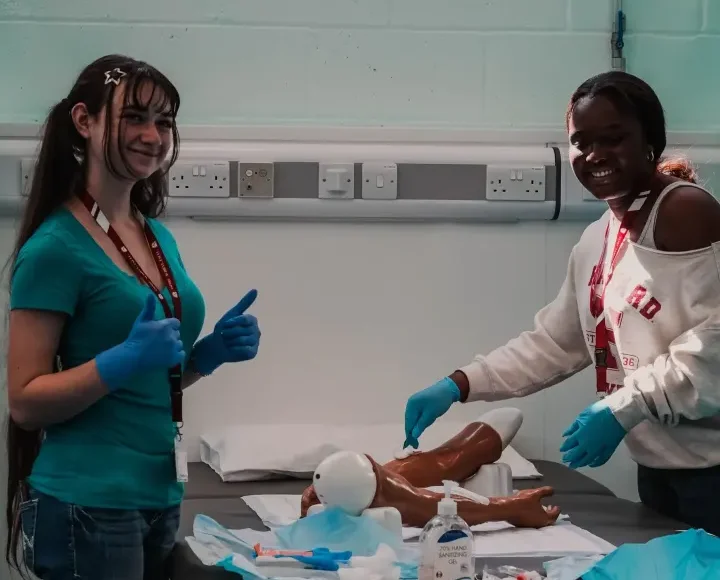
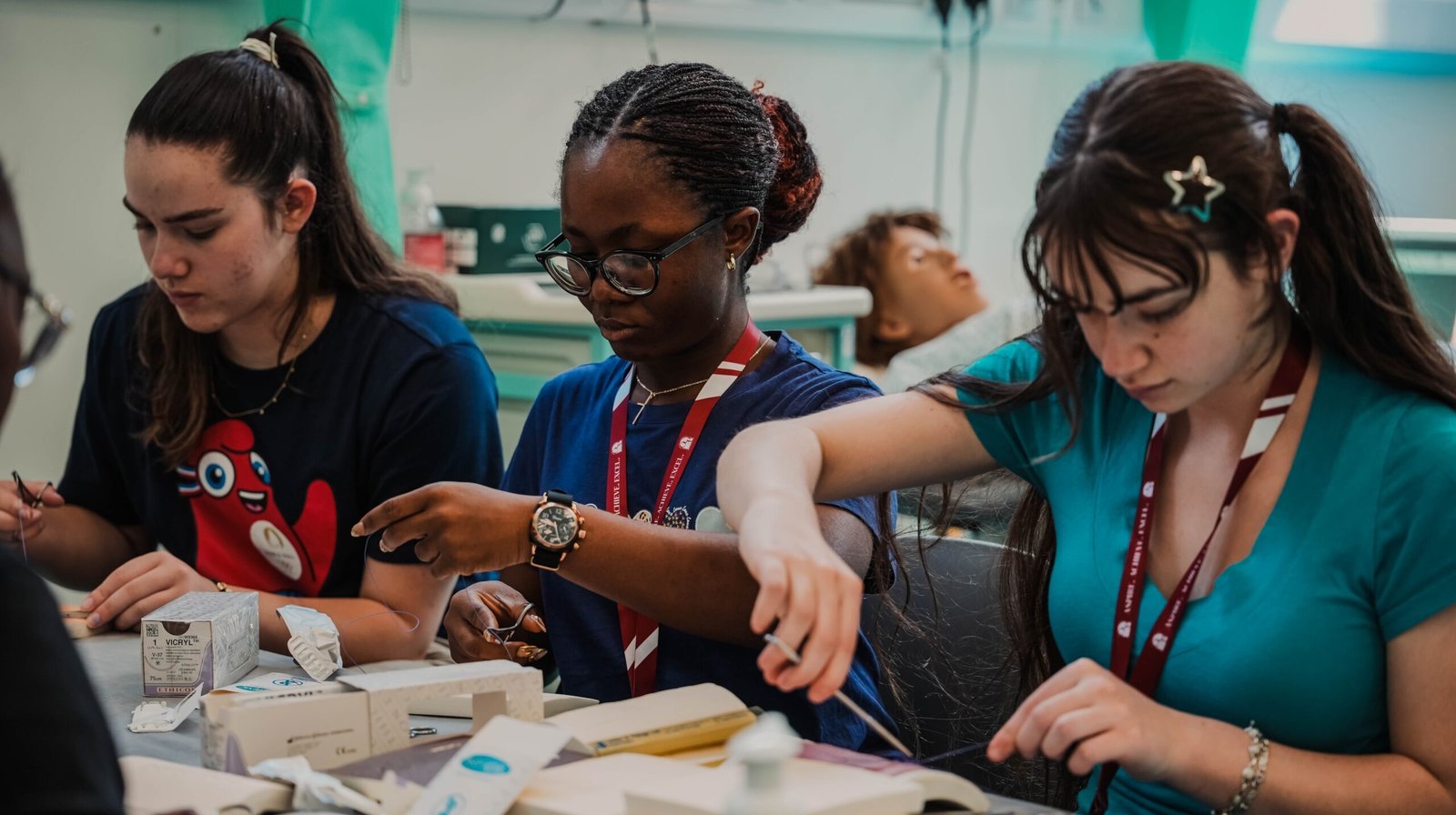
Simulated scenarios can introduce clinical reasoning, communication and decision-making in a structured learning environment. -
Attending medical workshops:
Explore topics such as anatomy, physiology, medical ethics or basic clinical skills. -
Reading beyond your school curriculum:
Use reputable educational resources to investigate medical questions that interest you.
Students considering medical summer programs for high school students should compare the activities and learning outcomes carefully. A programme that offers meaningful subject exploration may be more useful than one that relies mainly on its title or promises of career advancement.
Structured career Exploration Makes A difference
A well-designed medicine summer school can introduce high school students to medical science and healthcare through a combination of academic learning, practical activities and discussion.
When comparing programmes, look for opportunities to explore topics such as:
- Human anatomy and physiology.
- Clinical reasoning and medical problem-solving.
- Healthcare ethics and patient communication.
- Research, public health and current medical challenges.
- Practical learning through supervised workshops or simulations.
For students interested in summer medical programs for high school students, OSP Scholars offers a Medicine & Clinical Skills course.
Students can also explore the optional Future Doctor Career Exploration stream to learn more about healthcare-related careers.
Make an Informed Decision
You do not have to decide your entire future while you are still at school. The aim is to gather enough information to make your next decision with greater understanding.
Start by identifying what attracts you to medicine. Explore the subject in academic and non-academic settings. The most useful early step is not to prove that medicine is definitely right for you. It is to understand the profession well enough to decide whether you want to explore it further.