


Education often focuses on academic achievement, measured through exams, grades and rankings. But students also need to understand their emotions, manage challenges and build positive relationships.
Emotional intelligence for teens is an important part of this development. Alongside academic knowledge, these abilities help young people communicate, work with others and navigate everyday challenges.
What Is Emotional Intelligence?
Psychologist Daniel Goleman helped bring emotional intelligence into wider public discussion. It involves the ability to:
- Recognise and understand your emotions.
- Manage emotional responses.
- Understand other people’s feelings.
- Build positive relationships.
- Make thoughtful decisions.
For teenagers, these skills can support communication, emotional regulation and healthy relationships.

Why Traditional Education Often Overlooks It
Many education systems place considerable emphasis on measurable academic outcomes, such as exam results and grades. While these are important, they do not always show how well students manage emotions, communicate or respond to setbacks.
Emotional awareness, communication, leadership and empathy may receive less direct attention in formal assessments. Yet these skills can be valuable in education, work and everyday life.
Students may graduate with excellent grades but struggle with:
- Handling stress or pressure
- Working effectively in teams
- Communicating ideas clearly
- Managing failure or criticism
Why Emotional Intelligence Matters More Than Ever
As technology changes how people study and work, communication, adaptability and collaboration remain valuable skills. Emotional intelligence can help students navigate relationships, respond to challenges and work effectively with others.
Emotional Intelligence Plays a Major Role In:
Leadership
It helps build strong leadership skills and character, allowing people to understand others’ emotions and lead with empathy.
Collaboration
Working in teams involves listening to others, communicating clearly and resolving disagreements constructively.
Resilience
Students and professionals must learn to handle setbacks, adapt to change, and keep moving forward.
Communication
It can help teens develop communication skills, express ideas clearly, listen to different perspectives and handle disagreements.
How Education Can Better Develop Emotional Intelligence
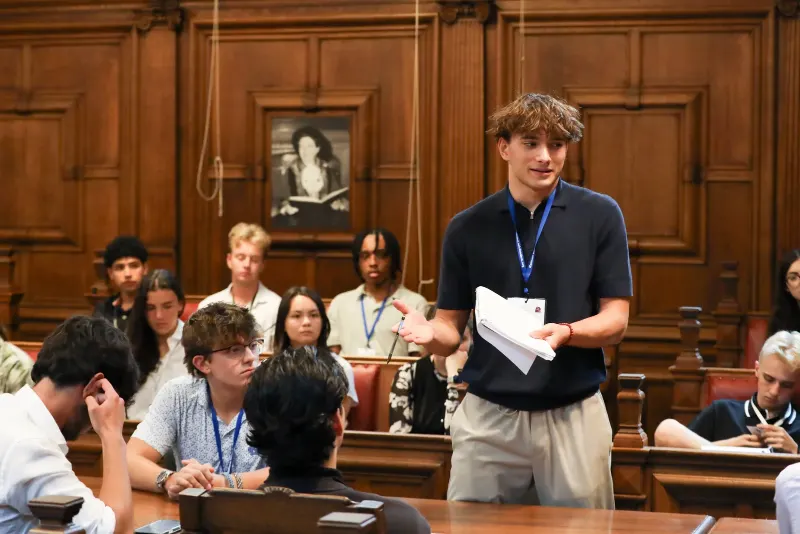
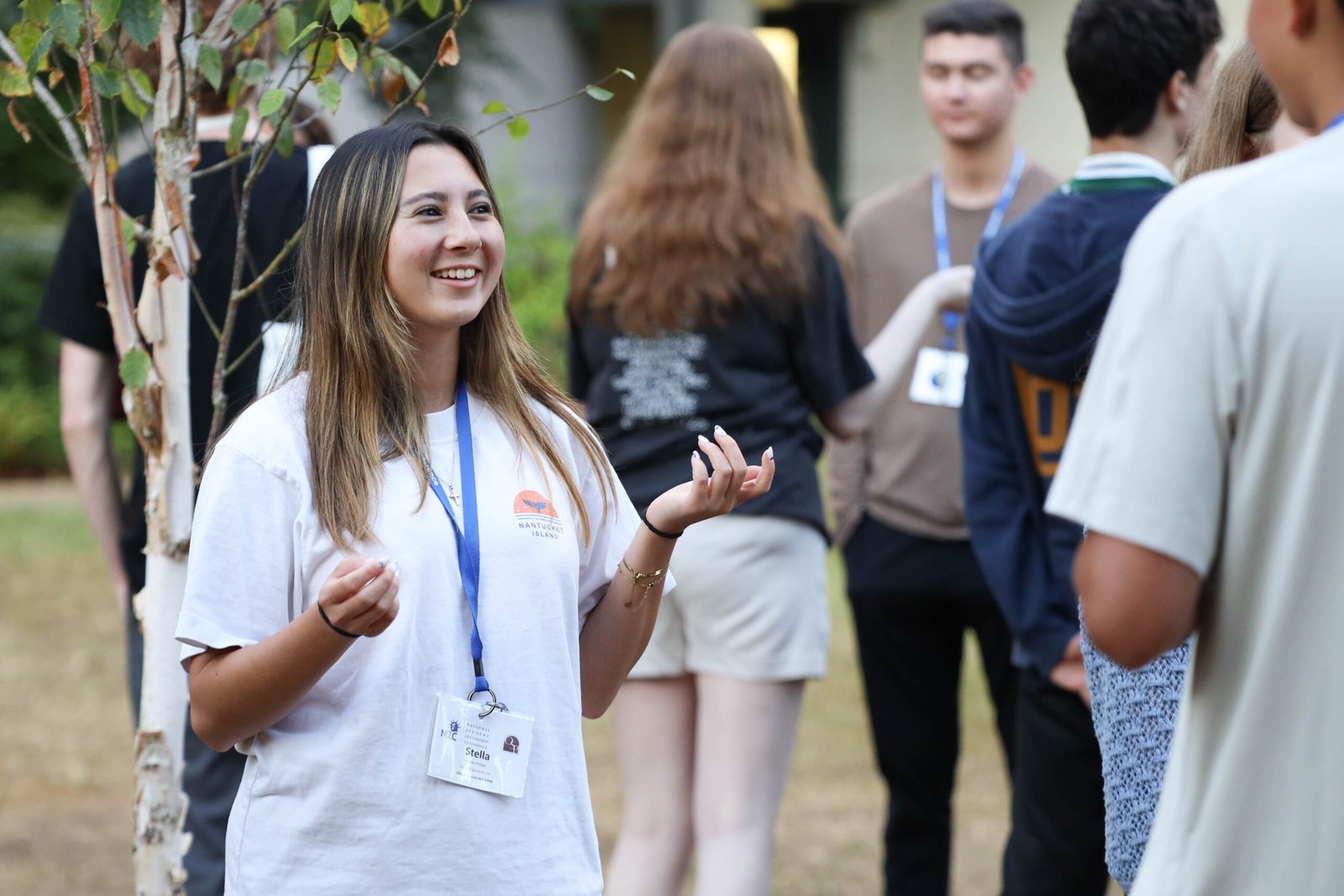
Social emotional learning activities for high school students can include discussions, group projects, presentations and cultural exchange, helping them practise communication, empathy and teamwork.
Some effective approaches include:
- Discussion-Based Learning: Debates and discussions help students listen to different viewpoints and express their ideas respectfully.
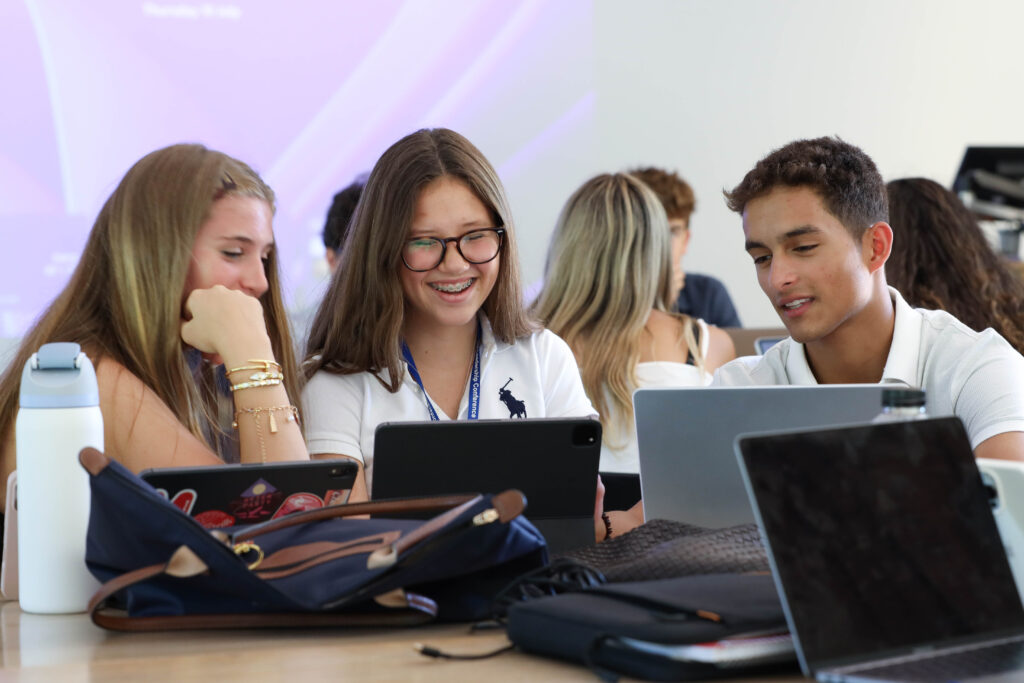
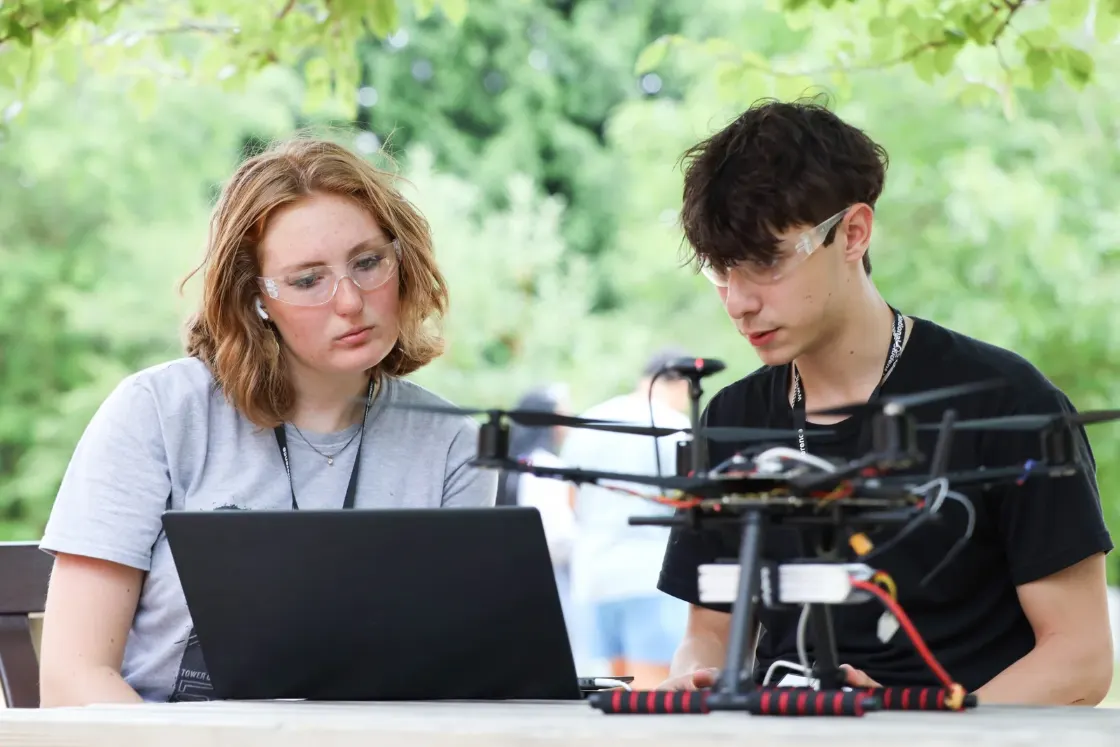
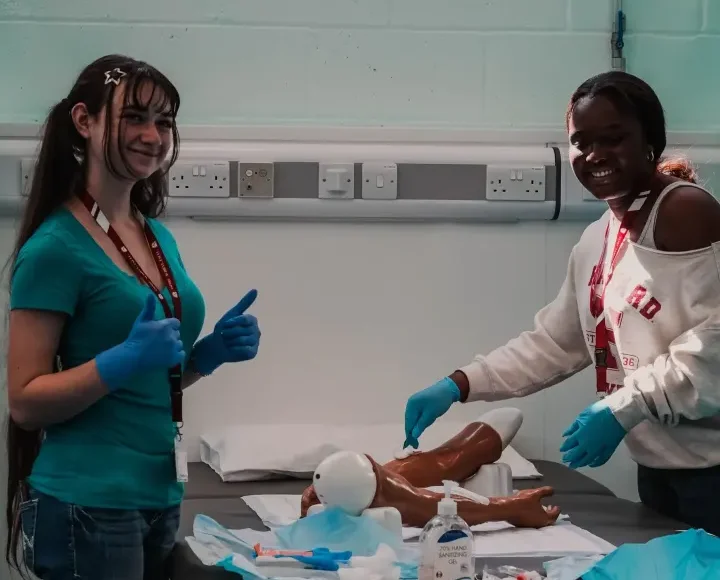
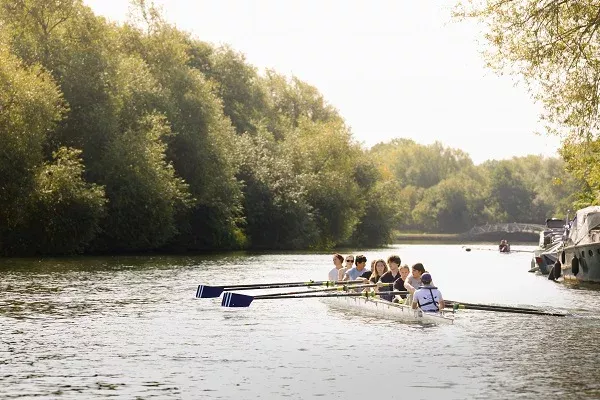
- Collaborative Projects: Group tasks encourage teamwork, shared responsibility and problem-solving.
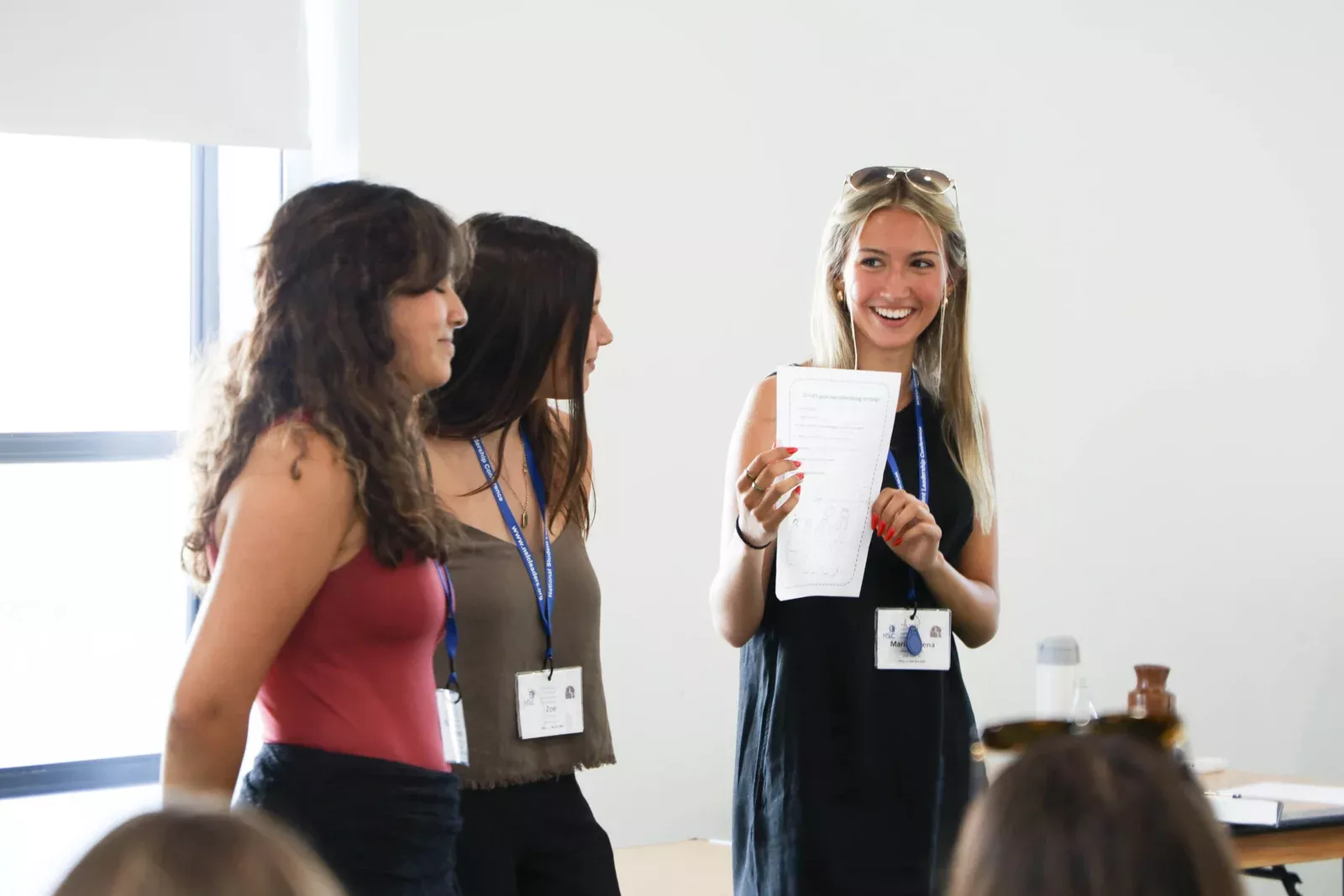
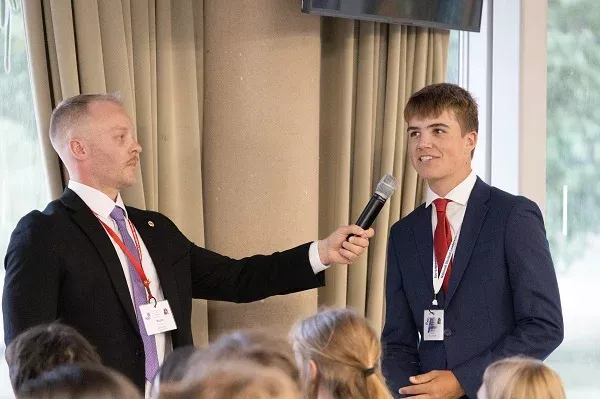
- Public Speaking and Presentations: Presenting ideas helps students practise clear communication and build confidence.
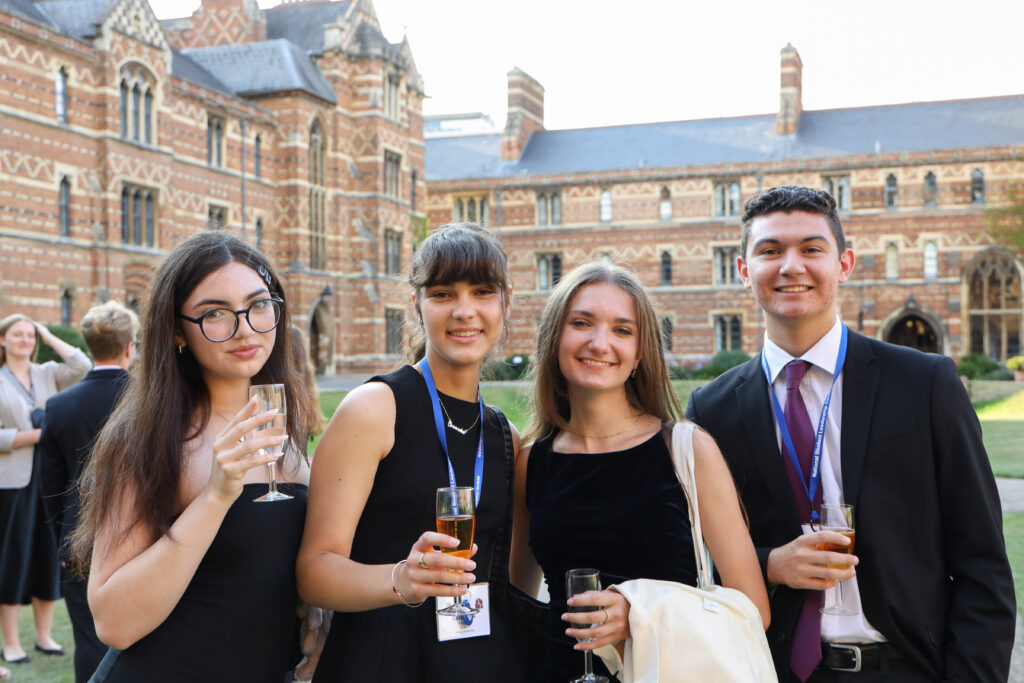
- Cultural Exchange: Meeting people from different backgrounds can encourage empathy, curiosity and a broader perspective.

The Balance Between IQ and EQ
Academic ability (IQ) and emotional intelligence (EQ) are different skills that can complement each other. Together, these skills can help students:
- Work effectively with others.
- Communicate ideas clearly.
- Build positive relationships.
- Navigate complex social environments.
- Adapt to change and uncertainty.
Education should not simply prepare students to pass exams; it should prepare them to thrive in the real world.
The Future of Education
Education should help students develop both academic knowledge and the life skills needed beyond the classroom. By practising self-awareness, emotional regulation, communication and empathy, teenagers can become better equipped to navigate relationships, challenges and change.
For high school students, these skills are worth developing alongside academic achievement. Explore OSP’s summer program for high school students to learn more about its academic learning, leadership development and international community.